Wood is one of the most durable and beautiful building materials used in homes. From structural beams to decorative mantels and trim, it adds warmth and character to any space. However, when wood is exposed to moisture for long periods, it can start to deteriorate. Over time, this leads to wood rot, a common issue that homeowners face.
Understanding what causes rotten wood, how to identify rotting wood, and the best ways for repairing rotten wood can help you protect your home and maintain the strength of wooden structures.
What Is Wood Rot?
Wood rot is a form of decay caused by fungi that break down the fibers in wood. These fungi thrive in damp environments where moisture and oxygen are present.
When moisture levels rise above a certain level, fungi begin feeding on the wood’s cellulose, causing the structure to weaken. This process slowly turns strong wood into rotten wood that becomes soft, crumbly, and damaged.
Common areas where rotting wood appears include:
-
Exterior trim and siding
-
Decks and porches
-
Window frames
-
Structural beams
-
Wooden mantels and decorative woodwork
If not treated early, dry rot wood and other types of decay can spread and cause significant structural damage.
What Causes Dry Rot in Wood?
Many homeowners ask what causes dry rot in wood. Despite the name, dry rot actually requires moisture to develop.
Several factors contribute to wood rot, including:
1. Excess Moisture
Water exposure from rain, leaks, or humidity creates the perfect environment for fungal growth.
2. Poor Ventilation
Areas with limited airflow can trap moisture, allowing rotting wood to develop faster.
3. Damaged Paint or Sealant
When protective coatings wear off, wood becomes vulnerable to water penetration.
4. Ground Contact
Wood that touches soil absorbs moisture quickly, increasing the risk of wood rot.
Preventing these conditions is the best way to stop wood from rotting in the first place.
Moisture problems can also attract pests that live around damp wood. One example is wood mites, which often appear on beams or mantels where mold is present. While these mites do not directly destroy wood, their presence usually indicates excess moisture that can eventually lead to decay. Learn more about identifying and removing them in our guide on wood mites in beams and mantels and how to get rid of them.
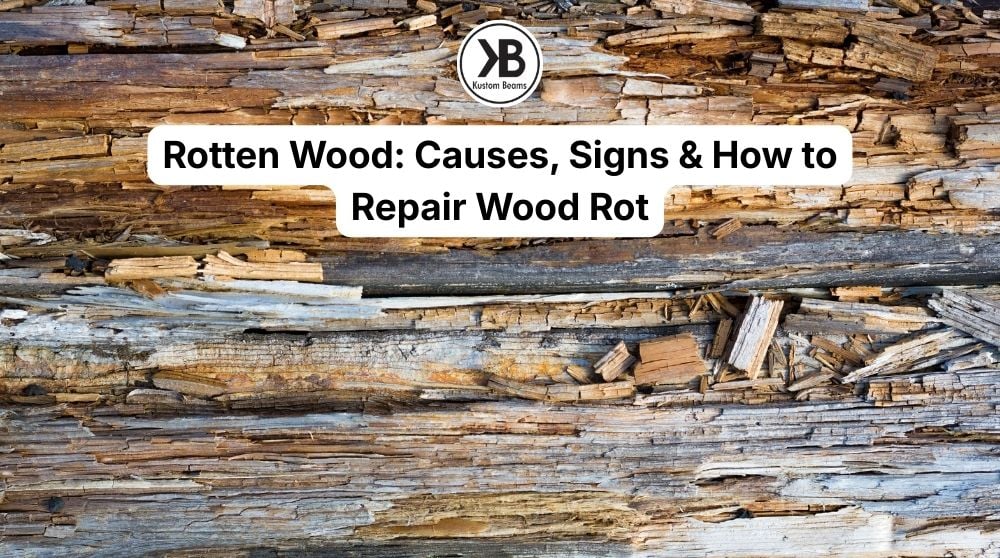
What Does Rotten Wood Look Like?
Recognizing what rotten wood looks like can help you address the problem before it spreads.
Some common signs include:
-
Soft or spongy texture
-
Cracked or crumbling surfaces
-
Dark discoloration
-
Flaking or peeling paint
-
A musty smell from rotting wood
Homeowners often wonder how to tell if wood is rotten. A simple method is pressing the surface with a screwdriver. If the tool sinks easily into the wood, the material may already be decaying.
In many cases, wood rot begins when moisture allows mold and fungi to grow inside the wood fibers. If you notice mold patches on beams, furniture, or structural wood, it is important to clean them properly before the damage spreads. You can read our detailed guide on how to remove mold from wood to understand safe cleaning methods and prevention tips.
How Do You Fix Wood Rot?
When damage appears, many people ask how do you fix wood rot. The answer depends on how severe the problem is.
Minor Damage Repair
If the decay is small, you may be able to repair wood rot without replacing the entire board.
Steps often include:
-
Remove the damaged wood.
-
Apply a wood hardener for rotting wood to strengthen the remaining material.
-
Fill the area using outside wood filler.
-
Sand, prime, and repaint the surface.
This method is commonly used for repairing wood rot in trim, doors, and smaller decorative pieces.
Using Wood Hardener for Rotted Wood
A rotten wood hardener is a liquid product designed to soak into decaying wood and strengthen it.
It works by penetrating the weakened fibers and bonding them together. After applying a hardener for rotted wood, the surface becomes firm enough to hold filler or paint.
This solution is useful when the wood is damaged but still structurally stable.
When You Should Replace Rotted Wood
Sometimes the damage is too extensive for simple repairs. In those cases, the best option is to replace rotted wood completely.
Replacement may be necessary if:
-
The wood is severely cracked or crumbling
-
Structural components are affected
-
The rot has spread across a large area
-
Previous repairs failed
For example, a rotting board in a deck or porch may need to be replaced to maintain safety.
Similarly, structural elements such as beams or support posts must be replaced if wood is rotten to prevent further damage.
Repairing Rotten Wood in Exterior Structures
Outdoor structures are especially vulnerable to moisture. This makes repairing rotten wood a common maintenance task.
Areas that frequently require repairs include:
-
Deck boards
-
Porch railings
-
Exterior trim
-
Window sills
-
Fence posts
If you notice fix holes in outside wood or cracks forming in these areas, addressing the issue early can prevent widespread rot.
Regular inspections help detect rotted wood repair needs before they become expensive problems.
How to Stop Wood from Rotting
Preventive care is the most effective way to stop wood from rotting.
Here are several ways to prevent wood rot in your home:
Seal and Paint Wood
Protective coatings block moisture from entering the wood.
Improve Drainage
Direct water away from wooden structures.
Maintain Ventilation
Proper airflow reduces humidity around wood surfaces.
Use Treated Wood
Pressure-treated lumber is more resistant to moisture and fungi.
Inspect Regularly
Early detection makes wood rot repair much easier.
Taking these steps can extend the lifespan of wood features throughout your home.
Why Quality Woodwork Matters
High-quality craftsmanship also plays an important role in preventing rotting wood. Proper installation, sealing, and finishing techniques help reduce moisture exposure.
Custom wood features such as beams, mantels, and trusses should always be designed with durability in mind. Well-built wood structures not only enhance the appearance of a home but also last much longer with proper maintenance.
Final Thoughts
Dealing with rotten wood can be frustrating, but understanding the causes and solutions makes the process easier. Whether you are learning how to fix wood rot, identifying what rotten wood looks like, or trying to prevent wood rot, early action is the key to protecting your home.
If repairs are done correctly and preventive measures are taken, wood features can remain strong and beautiful for many years.
For homeowners looking to upgrade or replace damaged wood elements, Kustom Beams specializes in crafting high-quality custom wood beams, mantels, and trusses. Our team focuses on durable materials and expert craftsmanship to ensure your wood features remain both functional and visually striking.
FAQ :
How to fix rotted wood?
To fix rotted wood, first identify and remove the damaged area using a chisel or screwdriver. After removing the soft wood, apply a wood hardener to strengthen the remaining material. Fill the area with wood filler or epoxy, sand it smooth, and repaint or seal the surface to protect it from moisture.
How to repair rotting wood without replacing it?
If the rot is minor, you can repair it without replacing the entire piece. Remove loose or soft wood, apply a wood hardener to stabilize the remaining wood, and fill the damaged area with wood filler or epoxy. Once dry, sand the surface and paint or seal it to prevent future moisture damage.
Will pressure treated wood rot?
Yes, pressure-treated wood can still rot over time. The treatment helps resist insects and decay, but it does not make the wood completely waterproof. If the wood remains exposed to moisture for long periods without proper maintenance, fungal growth can eventually cause rot.
Does treated wood rot?
Treated wood is designed to resist rot and insects, but it is not immune to damage. When treated wood is exposed to constant moisture, poor ventilation, or water leaks, it can still develop fungal decay after many years. Regular sealing and proper maintenance help extend its lifespan.
How to stop wood rot?
The best way to stop wood rot is to eliminate moisture. Fix leaks, improve ventilation, and keep wood surfaces dry. Applying protective sealants, paint, or wood preservatives can also prevent fungal growth. Regular inspections help detect early signs of rot before the damage spreads.
How to repair a door jamb wood rot?
To repair wood rot in a door jamb, remove all soft or decayed wood with a chisel. Treat the remaining wood with a hardener, then rebuild the damaged area using wood filler or epoxy. After it dries, sand the surface smooth and repaint or seal it to protect it from moisture.
What does wood rot look like?
Wood rot usually appears as dark or discolored patches on wood surfaces. The wood may feel soft, spongy, or crumbly when pressed. Other signs include cracking, peeling paint, fungal growth, and a musty smell, which indicate that fungi are breaking down the wood fibers.
What does dry rot look like?
Dry rot often causes wood to become brittle and cracked. It may appear dark brown with cube-shaped cracks and sometimes shows white or gray fungal strands on the surface. In advanced stages, mushroom-like growth or orange dust-like spores may appear on the wood.
What is dry rot in wood?
Dry rot is a type of fungal decay that breaks down wood fibers when the wood remains damp for long periods. The fungus feeds on the wood’s structural components, making it weak, brittle, and cracked. If not treated early, dry rot can cause serious structural damage to wooden structures.
How to stop wood rotting outside?
To stop wood from rotting outside, protect it from constant moisture exposure. Use weather-resistant sealants, stains, or paint to create a protective barrier. Ensure proper drainage and ventilation around outdoor wood structures, and inspect them regularly for cracks, leaks, or early signs of decay.