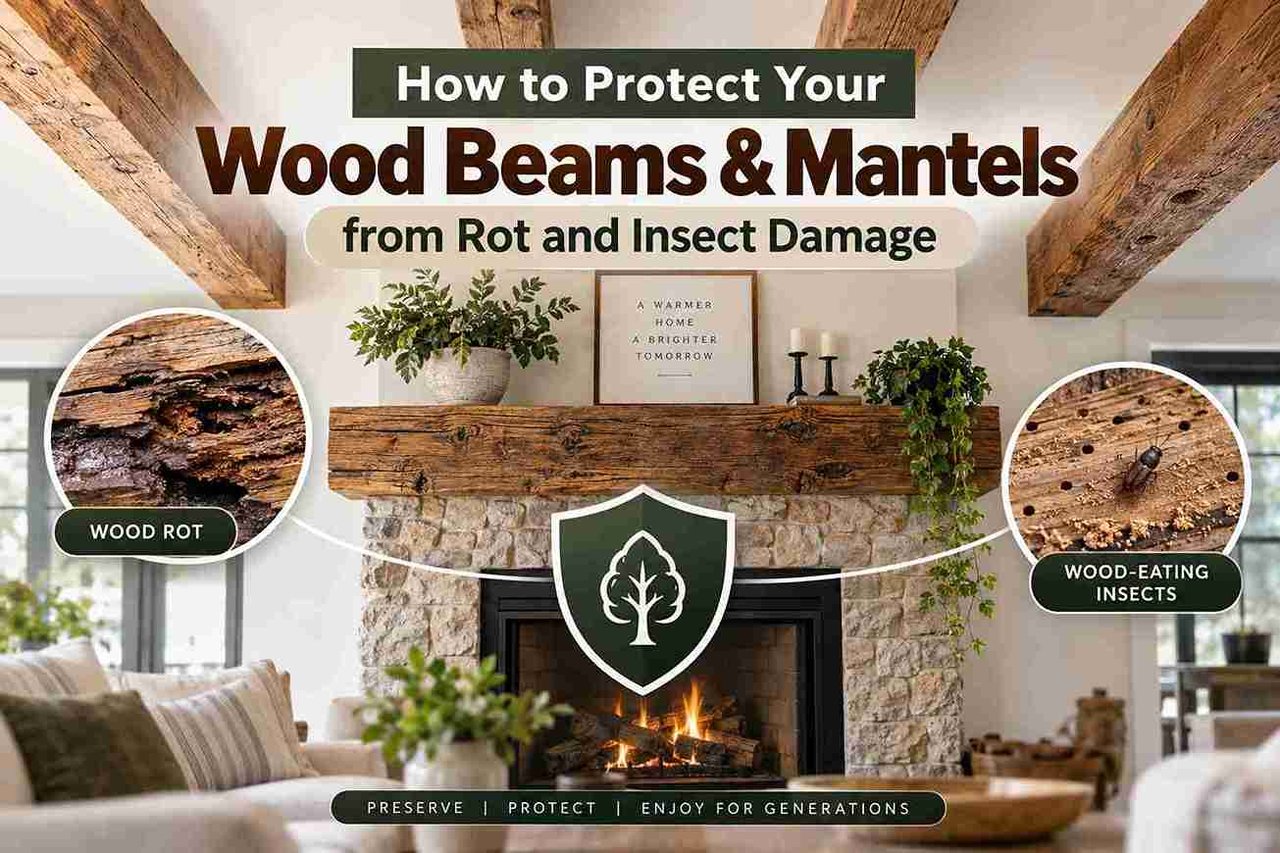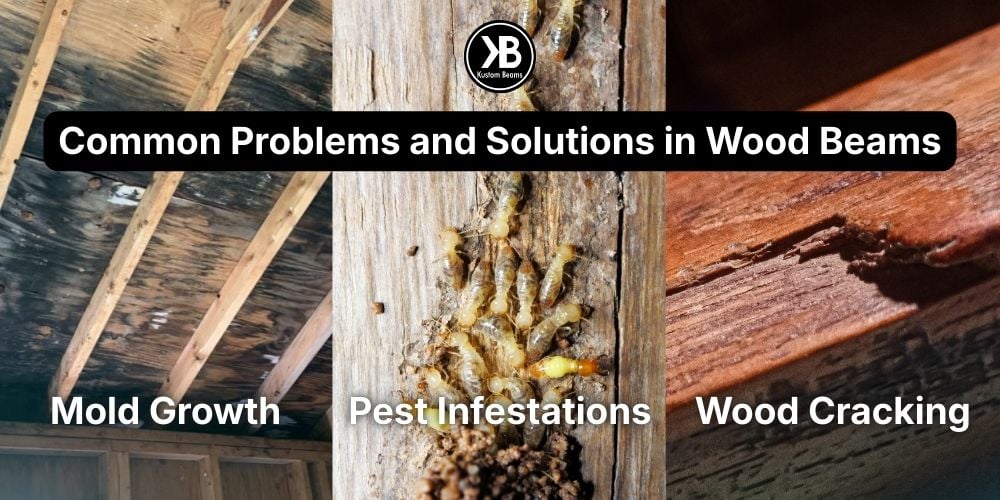
Wood is one of the most beautiful and timeless materials used in homes. From strong structural beams and engineered trusses to decorative fireplace mantels, wood adds warmth, strength, and character to any space. However, because wood is a natural material, it reacts to its environment. Over time, certain problems can develop if it is not properly installed, maintained, or protected.
In this blog, we will explore the most common problems that occur in wood beams, wood trusses, and wood mantels — along with practical solutions to prevent or fix them.
1. Moisture Damage and Mold Growth
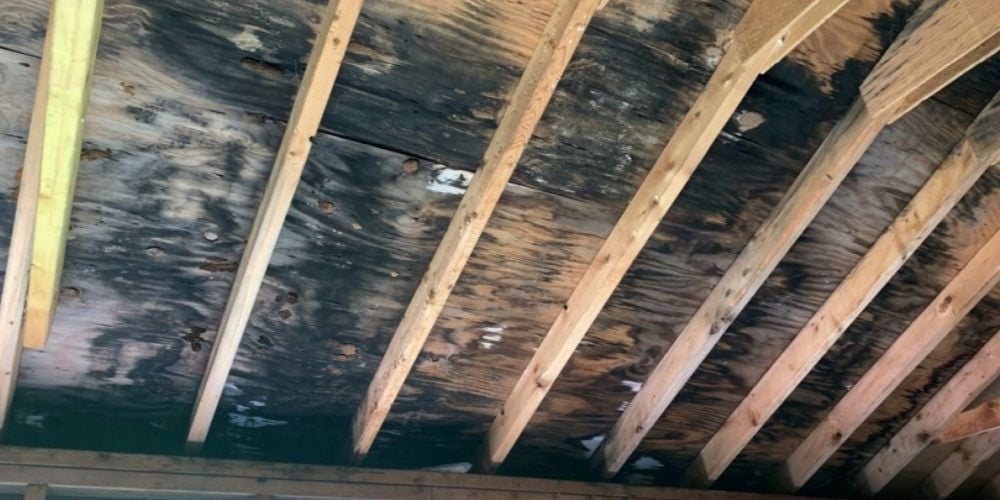
The Problem
Moisture is the biggest enemy of wood. When wood is exposed to high humidity, roof leaks, plumbing issues, or poor ventilation, it absorbs moisture. Over time, this can lead to:
-
Mold growth
-
Wood rot
-
Dark stains and discoloration
-
Soft or spongy wood texture
-
Musty odors
Structural beams and trusses are especially vulnerable when moisture accumulates in attics or crawl spaces. Mantels can also develop mold if exposed to fireplace condensation or humid indoor conditions.
The Solution
The first step is controlling moisture at the source. Fix roof leaks, seal cracks, and improve ventilation in attics and basements. Maintaining indoor humidity levels between 30% and 50% helps prevent mold growth.
If mold is already present, lightly scrub the surface with a mild cleaning solution and allow the wood to dry completely. For deeper rot, affected sections may need repair or replacement. Applying a high-quality wood sealant or protective finish can also create a barrier against future moisture intrusion.
Prevention is always easier and less expensive than repair.
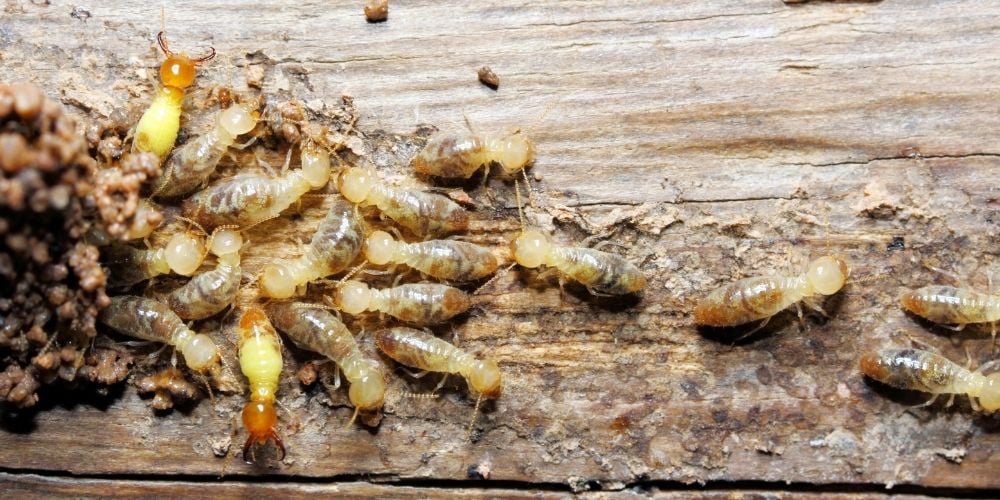
2. Pest Infestations (Termites, Carpenter Ants, Wood Mites)
The Problem
Wood naturally attracts insects, especially when it becomes damp. Common pests include:
-
Termites
-
Carpenter ants
-
Wood-boring beetles
-
Wood mites
Termites and beetles can tunnel inside beams and trusses, weakening structural integrity. Wood mites usually feed on mold growing on the wood surface. While mites do not damage wood directly, their presence often signals moisture problems.
The Solution
Keeping wood dry is the best defense against pests. Regular inspections are important, especially in areas prone to termite activity. Small holes, sawdust-like material, or hollow-sounding wood may indicate infestation.
Using treated or sealed wood helps deter insects. If an infestation is suspected, contacting a licensed pest control professional is essential. Structural damage should be evaluated by a contractor to determine whether reinforcement or replacement is required.
Routine inspection and early detection can prevent costly repairs.
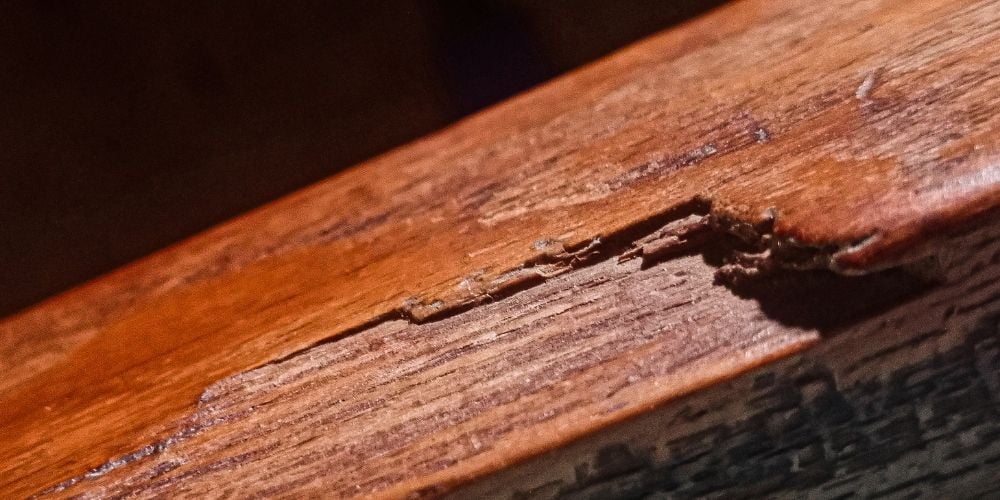
3. Cracking, Checking, and Splitting
The Problem
Wood naturally expands and contracts as humidity levels change. This movement can cause cracks, also known as “checks,” especially in large solid beams. Surface cracks are common and usually harmless.
However, deep splits that run through the entire beam or are accompanied by sagging may indicate a structural concern.
Mantels, being decorative elements, may also develop cracks over time, especially if exposed to heat from the fireplace.
The Solution
Surface checking is normal and often does not require repair. It can even add rustic character to exposed beams. However, if cracks appear to widen significantly or compromise stability, professional inspection is recommended.
Using kiln-dried wood during installation reduces the risk of excessive cracking later. Applying protective finishes helps stabilize moisture levels and reduce movement.
If needed, structural reinforcement techniques such as sistering (adding support alongside a beam) can restore strength.
4. Warping, Bowing, and Twisting
The Problem
When wood absorbs moisture unevenly or is improperly dried before installation, it may warp, bow, twist, or cup. This is especially common in beams or mantels exposed to changing temperatures.
Warped beams may cause:
-
Uneven ceilings
-
Visible gaps
-
Misalignment
-
Structural stress
Warping in mantels can affect appearance and create gaps between the mantel and the wall.
The Solution
Using properly dried, high-quality wood is key. Kiln-dried lumber has controlled moisture content, which minimizes movement after installation.
Proper storage before installation also matters. Wood should be stored flat, elevated from the ground, and protected from direct moisture.
If warping occurs after installation, minor issues can sometimes be corrected with sanding and refinishing. Severe cases may require replacement or structural adjustment.
5. Structural Issues in Wood Trusses
The Problem
Wood trusses are engineered systems designed to support roof loads. Problems typically arise due to:
-
Improper installation
-
Alterations made after installation
-
Excessive loads
-
Moisture damage
-
Loose metal connector plates
Cutting or modifying a truss without engineering approval can compromise the entire structure. Sagging rooflines or uneven ceiling areas may indicate truss problems.
The Solution
Trusses should never be altered without professional guidance. During construction, proper bracing and alignment are essential.
Homeowners should include attic inspections in routine maintenance checks. Look for:
-
Loose connector plates
-
Cracked members
-
Water stains
-
Signs of pests
If damage is found, a structural professional should evaluate the situation. In many cases, reinforcement can restore stability without full replacement.
6. Heat Damage in Wood Mantels
The Problem
Fireplace mantels are exposed to heat regularly. If installed too close to the firebox or without proper clearance, mantels may:
-
Crack from heat stress
-
Discolor
-
Dry out excessively
-
Develop surface damage
Over time, repeated heating and cooling cycles can weaken the wood.
The Solution
Proper installation following safety clearance guidelines is essential. Heat shields and proper fireplace design help reduce exposure.
Using high-quality hardwood or properly finished wood can also improve durability. If minor heat damage occurs, sanding and refinishing may restore appearance. In severe cases, replacement may be the safest option.
7. Loose Joints and Connection Problems
The Problem
Over time, natural wood movement can loosen fasteners, brackets, or joinery connections in beams and mantels. Vibrations, settling foundations, or heavy loads can worsen the issue.
Loose connections may cause:
-
Creaking sounds
-
Visible gaps
-
Slight sagging
-
Reduced stability
The Solution
Periodic inspection and tightening of hardware can prevent larger issues. For structural beams or trusses, reinforcement should be handled by a professional.
Using quality fasteners and proper installation methods from the beginning significantly reduces long-term problems.
Preventive Maintenance Tips
Most wood problems can be minimized with proper care. Here are simple preventive steps:
-
Maintain balanced indoor humidity levels
-
Inspect beams, trusses, and mantels annually
-
Address leaks immediately
-
Keep wood sealed and finished
-
Watch for early signs of pests
-
Avoid unauthorized structural modifications
Small maintenance efforts today can prevent major structural repairs tomorrow.
Final Thoughts
Wood beams, wood trusses, and wood mantels are long-term investments that add both strength and character to a home. While issues like moisture damage, pests, cracking, or structural stress can develop over time, most problems are preventable with the right materials, expert craftsmanship, and proper installation from the start. Choosing quality wood and working with experienced professionals makes a significant difference in durability and performance.
At Kustom Beams, we don’t just build beautiful wood features — we build them to last. From custom beams and expertly crafted mantels to precision-designed woodwork, our team focuses on structural integrity, proper finishing, and long-term reliability. If you’re planning to add wood elements to your home or upgrade existing ones, trust Kustom Beams to deliver craftsmanship, durability, and timeless design you can rely on for years to come.