When homeowners think of property damage, they usually think of termites. However, there is another group of wood eating insects that can be just as destructive: wood boring beetles. Among these, the powder post beetle is the most notorious for turning structural beams, hardwood floors, and expensive furniture into fine, useless dust.
In this comprehensive guide, we will explore the different types of wood beetles, how to spot the early signs of powder post beetle damage, and the best methods for post beetle control to protect your investment.
What is a Powder Post Beetle?
The term "powderpost beetle" actually refers to several species of small insects that share a common trait: they reduce wood to a flour-like powder. These wood eating bugs operate on a timeline that often keeps them hidden for years. They lay their eggs in the pores and cracks of unfinished wood. Once the eggs hatch, the larvae (grubs) spend months or even years eating their way through the interior of the timber.
By the time you see the adult powder beetle emerging from the wood, the structural damage inside is already done. These wood boring beetles are second only to termites in their ability to destroy the wood used in residential structures and high-end wooden products.
Common Types of Wood Boring Beetles
While the powder post beetles are the most common, there are several other insects that eat wood you should be aware of. Each has a preference for specific types of wood and moisture levels.
The Lyctid Beetle (True Powderpost)
These are the primary culprits in many homes. They only infest hardwoods such as oak, hickory, and walnut. If you have custom-made hardwood mantels or beams, this is the wood bug you are most likely to encounter.
Anobiid Beetles (Furniture Beetle)
Commonly referred to as the furniture beetle, these pests prefer damp environments. Unlike Lyctids, Anobiids will infest both hardwoods and softwoods. They are often found in crawl spaces, basements, and older wooden furniture stored in humid areas.
The Deathwatch Beetle
Known for the eerie "tapping" sound they make inside walls, these wood bugs infest hardwoods like oak and chestnut that have been softened by moisture or decay. They are a significant threat to historical structures and older homes.
Powder Dust Beetles
These are often identified by the very fine, talc-like powder they leave behind. The texture of the powder (frass) is a key diagnostic tool. If it feels like flour, it is likely a powder dust beetle; if it feels gritty like cornmeal, it may be a different species of wood beetle.
Identifying Powder Post Beetle Damage
Unlike termites, which often stay hidden until a structure fails, wood beetles leave very specific calling cards. If you suspect you have bugs that eat wood, look for the following signs:
1. Exit Holes
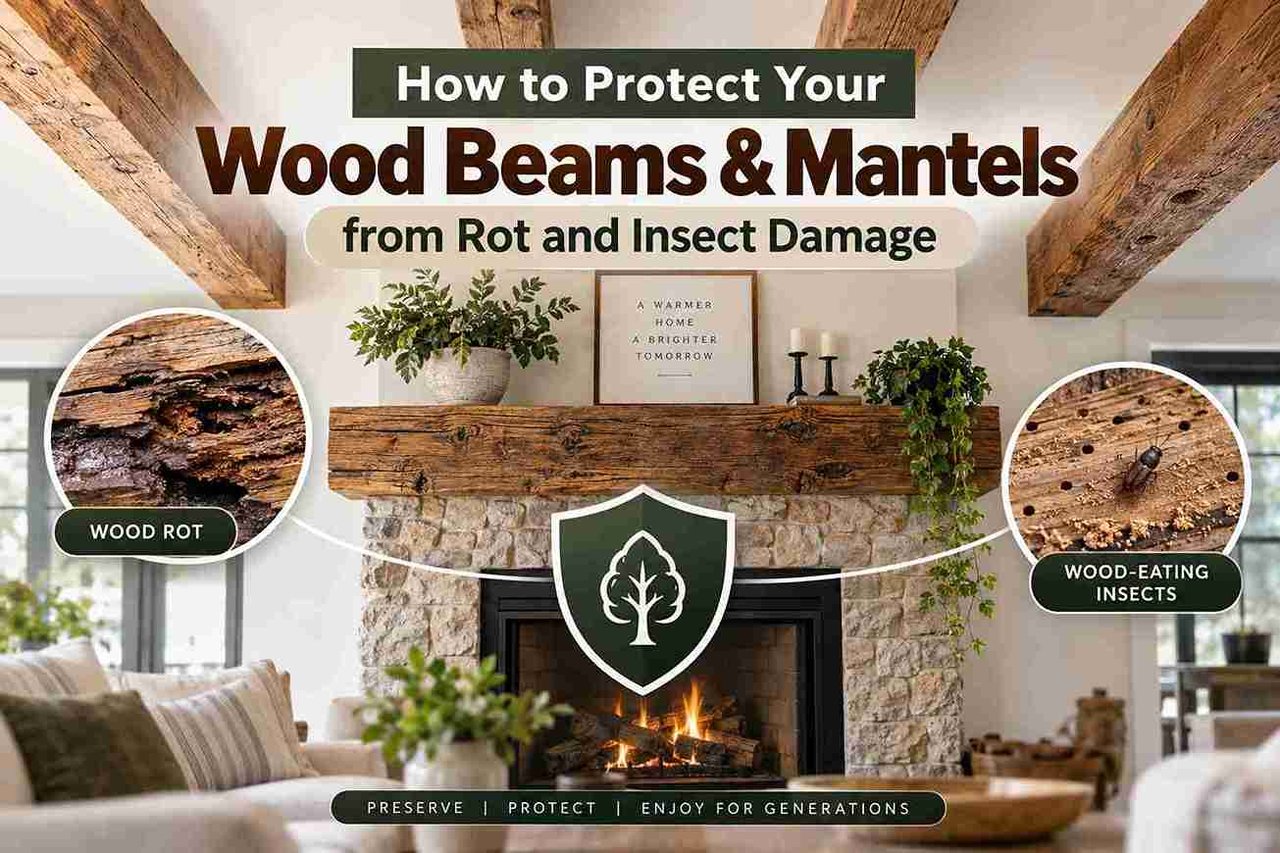
The most obvious sign of an infestation is the appearance of small, round "shot holes" (about 1/32 to 1/8 inch) on the surface of the wood. These are created by the adult powderpost beetle as it emerges to find a mate.
2. Fine Powder (Frass)
As the larvae tunnel, they push waste out of the holes. If you see piles of fine, white powder accumulating below wooden beams or on windowsills, you have an active infestation of powder post beetles.
3. Structural Weakness
Over time, the internal tunneling of these wood eating insects can hollow out the heartwood of a beam. While the exterior may look fine except for a few holes, the interior can become brittle and lose its load-bearing capacity.
If you are seeing different signs, such as mud tubes or larger galleries, you might be dealing with termites instead. You can learn more about identifying and treating those pests in our guide on how to get rid of termites and wood mites.
The Lifecycle of Wood Eating Bugs
Understanding the lifecycle is crucial for effective post beetle control. Most wood eating insects undergo a complete metamorphosis:
-
Egg: Laid in the pores of raw wood.
-
Larva: The "powderpost" stage. This stage lasts the longest—anywhere from 1 to 5 years—as the larva eats the starch in the wood.
-
Pupa: The larva creates a chamber near the surface to transform.
-
Adult: The adult beetle bores out, mates, and often lays eggs back in the same piece of wood, continuing the cycle.
Because the larvae stay deep inside the wood, many surface-level sprays are ineffective, which is why specialized powder post beetle treatment is necessary.
Comprehensive Powder Post Beetle Treatment and Prevention
If you have confirmed an infestation, you must act decisively. Post beetle control involves addressing both the current population and the environment that allowed them to thrive.
1. Moisture Control: The First Line of Defense
Most wood eating insects thrive in wood with high moisture content (typically above 12-15%).
-
Dehumidify: Use dehumidifiers in crawl spaces, basements, and attics.
-
Ventilation: Ensure that your home has proper airflow to prevent "dead air" pockets where moisture accumulates.
-
Drainage: Ensure rain gutters and landscaping move water away from the foundation.
2. Borate Surface Treatments
A highly effective powder post beetle treatment for unfinished wood is the application of borate-based liquids. Borates are minerals that penetrate the wood fibers. When the larvae ingest the wood, the borate disrupts their digestive system and kills them. This is an excellent preventative measure for new construction or reclaimed wood beams.
3. Kiln-Drying Wood
One of the best ways to ensure you don't bring bugs that eat wood into your home is to purchase kiln-dried lumber. The high temperatures in the kiln kill all stages of the wood beetle, from eggs to adults. At Kustom Beams, we prioritize properly treated and dried wood to ensure the longevity of our products.
4. Sealing and Finishing
Adult powderpost beetles cannot lay eggs in wood that has been painted, varnished, or waxed. Sealing your wooden beams and furniture creates a physical barrier that prevents the next generation of wood bugs from entering the wood.
5. Professional Fumigation
For severe, widespread infestations where the structural integrity of the home is at risk, professional fumigation may be the only solution. This involves sealing the entire structure and using gas to penetrate deep into every wooden member to eliminate the wood eating insects.
Conclusion: Protect Your Home from Wood Boring Beetles
Don't let wood eating insects turn your home’s structural integrity or your beautiful wooden furniture into dust. By identifying the signs of powder post beetles early and implementing a rigorous powder post beetle damage prevention plan, you can protect your wooden assets for decades.
The key to victory is persistence. Regularly inspect your basement, attic, and any reclaimed wood features for new exit holes or powder. If you're unsure whether your problem is beetles or termites, remember that both require immediate attention to prevent costly repairs.
Check our specific resources for termite and wood mite control to ensure your home is fully protected from all types of wood-destroying pests. Investing in quality, treated wood and maintaining a dry environment are the most effective ways to ensure that wood beetles never make a meal out of your home.