Finding fuzzy patches or dark stains on your wood beams, furniture, or cabinetry is a stressful discovery for any homeowner. Whether it is a light dusting of mildew or the presence of dangerous black mold on wood, you must act quickly to protect both your family’s health and the structural integrity of your home.
This comprehensive guide will walk you through how to remove mold from wood, the most effective cleaning agents to use, and how to ensure the spores never return.
Understanding the Enemy: Why Mold Forms on Wood
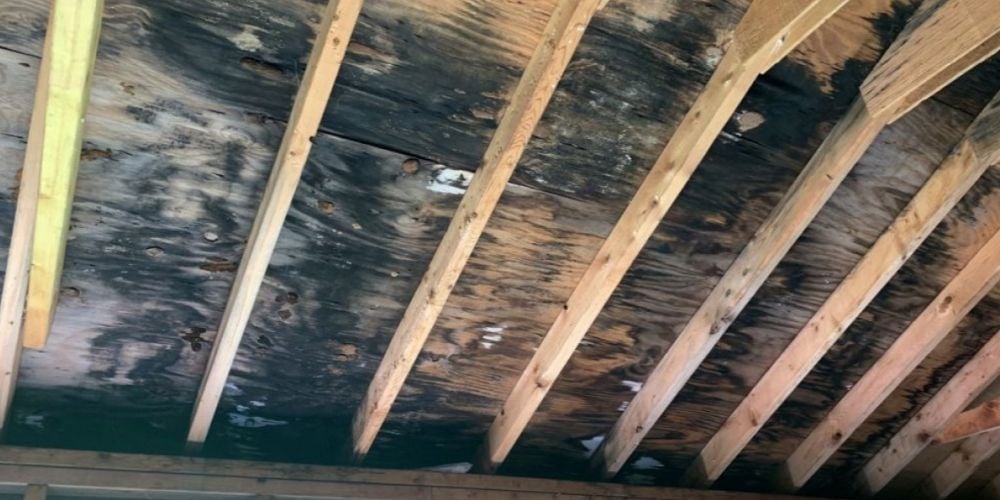
Mold is a type of fungus that thrives in damp, dark, and poorly ventilated environments. Wood is particularly susceptible because it is a porous, organic material that provides the perfect food source for mold spores.
While many types of mold exist, dangerous black mold on wood (often Stachybotrys chartarum) is a major concern because it can release mycotoxins. Beyond health concerns, mold feeds on organic matter, meaning it can eventually cause the wood to rot and decay. Furthermore, surface mold acts as a primary food source that can lead to preventing wood-eating pests like wood mites from infesting your beams. Keeping your wood clean and dry is the first line of defense against both fungi and insects.
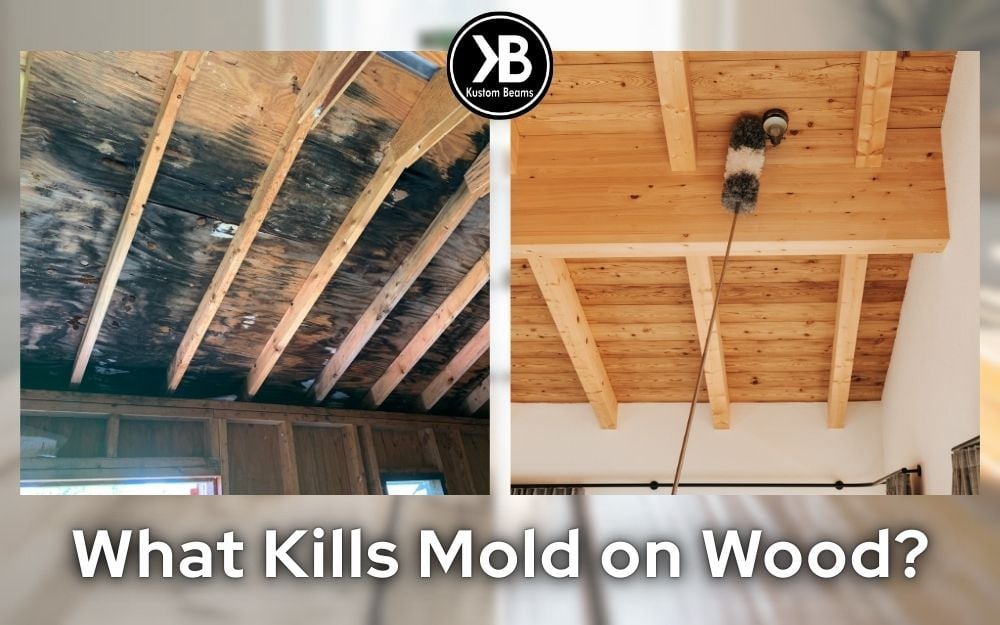
What Kills Mold on Wood?
The first question most homeowners ask is: "What kills mold?". Not all cleaning agents are created equal, and some common household "fixes" may actually do more harm than good.
-
Distilled White Vinegar: Distilled white vinegar is a powerhouse for mold removal; studies have shown it can effectively kill 82% of mold species, making it a safer alternative to harsh chemicals.
-
Dish Soap and Water: For surface-level growth or cleaning mold on wood that hasn't penetrated the finish, a simple mixture of warm water and mild detergent is the safest starting point.
-
Borax or Baking Soda: These are high-pH substances that inhibit mold growth. They are excellent for removing mold from wood without leaving behind harsh chemical odors.
-
Bleach (A Word of Caution): Many people ask, "does bleach kill mold on wood?". While bleach is effective on non-porous surfaces like tile, it often cannot reach the "roots" of mold deep inside wood. Using it may kill surface spores, but the mold can often regrow from within the fibers.
-
Isopropyl Alcohol: This is a strong disinfectant that can be used for treating mold on wood by killing spores on contact.
Step-by-Step: How to Get Rid of Mold on Wood
Before you begin the process of removing mold from wood, you must prepare your workspace to prevent the spread of spores.
Step 1: Safety and Containment
Never attempt to clean mold off wood without protection.

-
Always use an N95 respirator mask approved by NIOSH to ensure you aren't breathing in microscopic spores during the cleaning process.
-
Use rubber gloves and safety goggles.
-
If you are working indoors, seal off the area with plastic sheeting and use a fan to blow air out of a window to create negative pressure.
Step 2: Vacuum the Affected Area
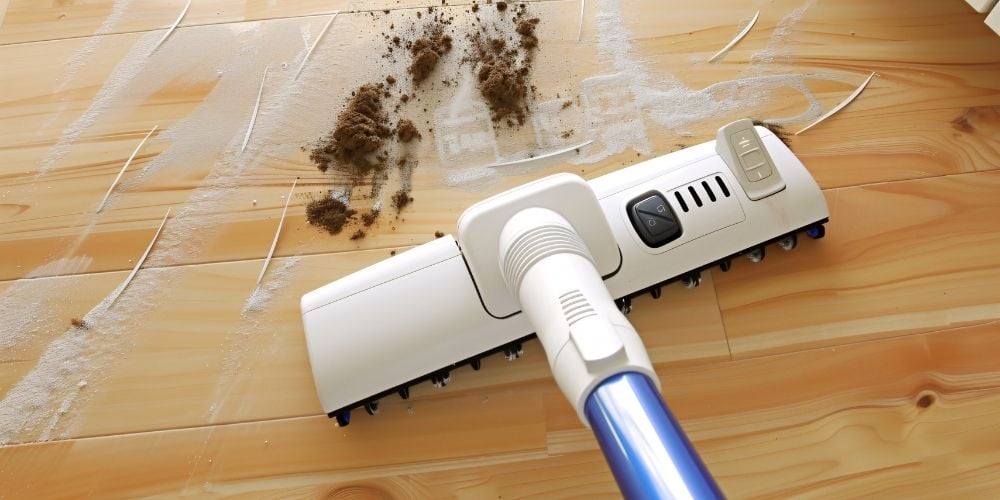
Use a vacuum equipped with a HEPA filter to pick up loose, dry mold spores from the wood surface. Avoid using a standard shop-vac, as these often lack the filtration necessary to trap tiny spores, meaning you’ll simply be blowing them back into the room.
Step 3: Scrub with Your Chosen Solution
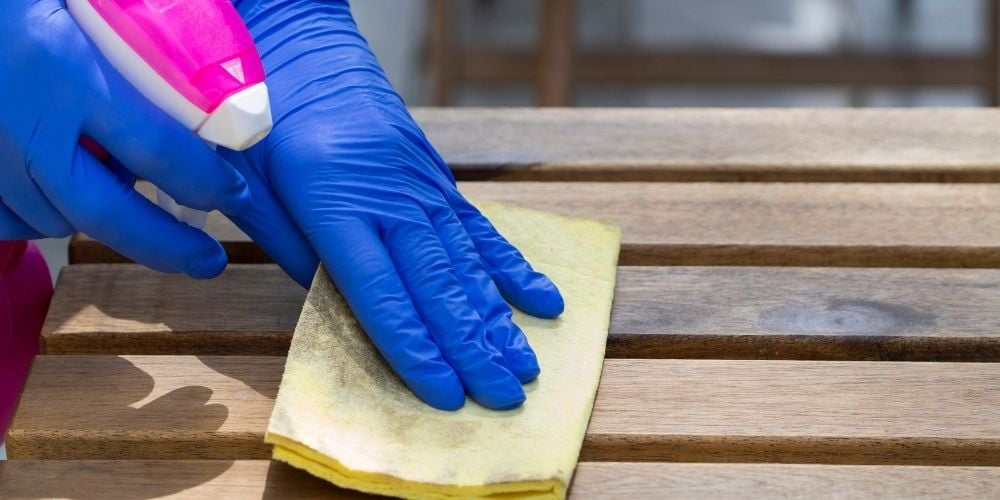
Depending on the severity, choose your cleaning method:
-
For Light Mold: Mix dish soap and water. Use a soft-bristled brush to clean mold on wood. Wipe away the suds with a damp cloth.
-
For Heavy or Deep-Seated Mold: Spray the area with undiluted distilled white vinegar. Let it sit for at least an hour to allow it to penetrate the wood. Scrub the area with a brush and then wipe it clean.
Step 4: Sanding Mold off Wood (If Necessary)
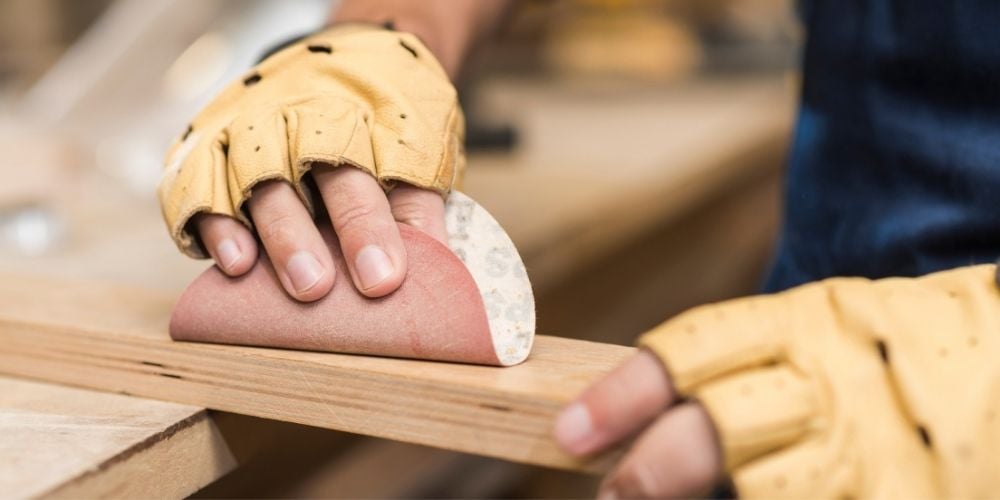
If the staining remains after cleaning, the mold has likely penetrated deep into the grain. Once the wood is completely dry, you may need to try sanding mold off wood. Use fine-grit sandpaper to remove the top layer of affected wood, then immediately vacuum the dust and re-clean the area with vinegar to kill any newly exposed spores.
Step 5: Thorough Drying
The final, and most critical, part of how to remove mold from wood furniture or beams is drying. Use a dehumidifier and fans to ensure no moisture remains in the wood. Mold can begin to regrow in as little as 24–48 hours if the wood remains damp.
Specific Situations: Furniture vs. Structural Wood
The approach to removing mold from wood furniture differs slightly from that of structural beams:
-
Wood Furniture: Use the gentlest method possible to avoid stripping the finish. If you are removing white mold from wood furniture, a vinegar-water mix is usually sufficient to restore the piece.
-
Structural Beams: If you find mold on woodwork or support beams, check the moisture content of the wood. If the wood is soft or crumbling, you are dealing with wood rot or a severe fungus on wood, which may require structural replacement rather than just a cleaning.
What Kills Mold Permanently on Wood
Knowing how to get mold out of wood is only half the battle. To kill mold permanently on wood, you must address the root cause: moisture. According to the EPA, moisture control is the most critical factor in preventing mold-related health issues and structural damage. Without moisture control, spores will eventually return regardless of the cleaning agent used. To learn more about the health risks associated with indoor spores, you can consult the EPA’s guide on mold and moisture.
- Control Humidity: Keep the humidity levels in your home between 30% and 50%.
- Fix Leaks Immediately: Whether it’s a leaky pipe or a roof drip, even small amounts of water can lead to dangerous black mold on wood.
- Improve Airflow: Ensure that air can circulate behind furniture and in corners where mold typically grows.
- Seal the Wood: Once the wood is clean and dry, apply a high-quality sealant or stain. This creates a barrier that makes it harder for moisture and spores to penetrate the grain in the future.
Conclusion
Ultimately, the best way to handle mold is to ensure it never has a chance to take root. By controlling moisture, maintaining airflow, and performing regular inspections, you can keep your wood features looking as pristine as the day they were installed.
However, if you find that recurring moisture issues in your space make natural wood maintenance a constant struggle, it might be time to reconsider your materials. At Kustom Beams, we specialize in providing high-quality wood solutions designed for durability and aesthetic excellence. Whether you are looking for the timeless warmth of natural timber or exploring our collection of custom wood beams, our goal is to help you create a beautiful, worry-free environment.
Investing in the right materials today means spending less time scrubbing mold tomorrow. Explore our collection at Kustom Beams to find the perfect, low-maintenance fit for your next home project.
FAQs:
Q1. Can you sand off mold on wood?
Yes, sanding mold off wood is often necessary if the infestation has penetrated below the surface. However, you must only sand after the wood is completely dry and the mold has been treated with a killing agent. Always wear an N95 mask to avoid inhaling spores, and use a HEPA vacuum immediately afterwards to ensure mold removal from wood is successful, and the dust doesn't spread.
Q2. How to remove mold from wood permanently?
If you are wondering what kills mold permanently on wood, the answer is a two-step process. First, you must kill the roots using a solution like distilled white vinegar or borax. Second, you must eliminate the moisture source. Without addressing the humidity or leaks, killing mold on wood is only temporary. For a permanent solution in high-moisture areas, many homeowners switch to moisture-resistant materials like those found at Kustom Beams.
Q3. What is the best way to remove mold from wood?
The best way to remove mold from wood is to use a non-toxic, deep-penetrating solution like white vinegar. Unlike bleach, which only sits on the surface, vinegar penetrates porous wood fibers to reach the roots. For heavy-duty mold remediation on wood, scrubbing the area with a stiff brush and a vinegar-borax solution is the most effective DIY method.
Q4. How to get rid of fungus on wood?
To get rid of fungus on wood, you must first identify if it is surface mold or wood-decay fungus. For surface growth, a mixture of dish soap and warm water or vinegar works well for cleaning mold off wood. If the wood is soft or "mushy," the fungus has likely caused structural rot, and the affected timber may need to be replaced entirely to ensure your home's safety.
Q5. How to treat mold on wood?
To effectively treat mold on wood, start by vacuuming the area with a HEPA filter. Apply a treatment of 82% acidity white vinegar and let it sit for an hour. This is the most reliable method for how to treat mold on wood without using harsh chemicals that can damage the wood grain or finish.
Q6. How to get rid of white mold on wood?
White mold removal from wood is typically easier than treating black mold because it is often a surface-level fungus. To get rid of white mold on wood, wipe the area with a damp cloth soaked in a vinegar-water solution. Since white mold thrives in humid basements and crawlspaces, increasing airflow is the best way to ensure mold and mildew do not return to your woodwork.