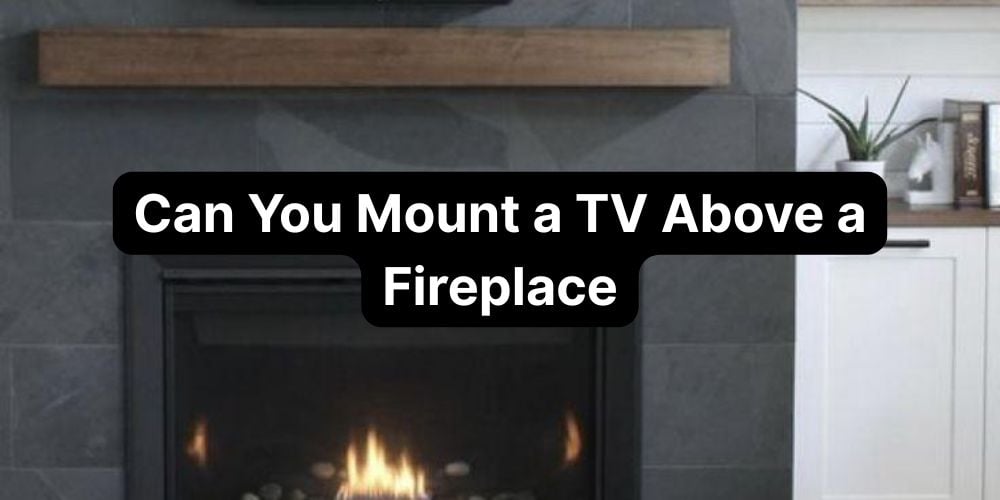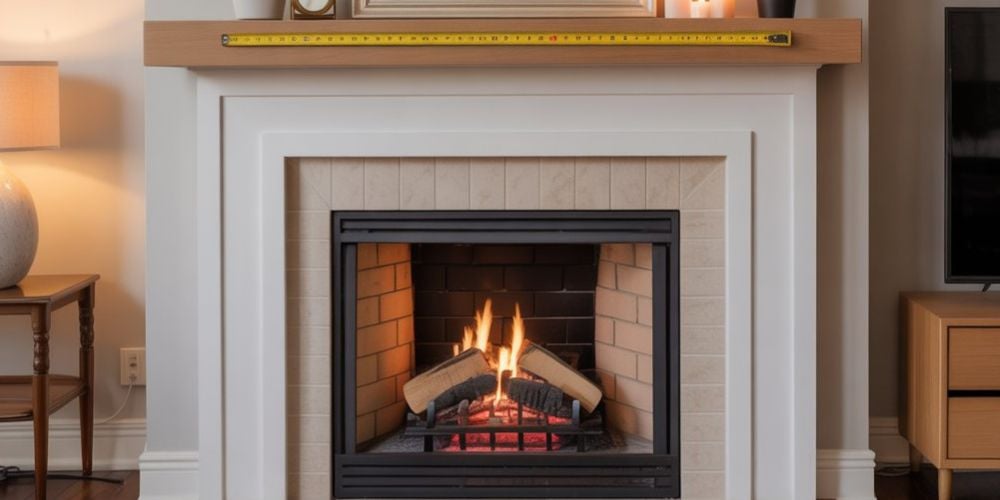
A fireplace is often the heart of a home, providing warmth, comfort, and a sense of togetherness. Adding a mantel enhances its look and gives space for decor, photos, or seasonal items.
Before installing or adjusting a mantel, many homeowners ask:
How high should a fireplace mantel be?
The answer depends on safety, design, and balance. There isn’t a one-size-fits-all rule, but practical guidelines can help you make the right choice.
The fireplace mantel, also known as a mantelpiece, has been an important architectural feature for centuries, evolving from early chimney designs into the decorative element we see in modern homes.
Why Fireplace Mantel Height Matters
Mantel height affects safety and aesthetics:
-
Too low: absorbs excessive heat, may damage wood or decor
-
Too high: looks awkward, disrupts room balance
Correct height ensures:
-
Combustible materials are safe
-
Heat rises naturally
-
Fireplace remains a visual focal point
-
Room feels balanced
Standard Mantel Height Guidelines
-
Typical placement: 10–12 inches above fireplace opening
-
Adjust based on mantel depth, fireplace size, ceiling height, and type
Mantel Height by Fireplace Size
|
Fireplace Opening |
Recommended Height |
|
24–28 inches (small) |
10-12 inches |
|
28–32 inches (medium) |
12-14 inches |
|
32 inches or more (large) |
14-16 inches |
Mantel Depth and Clearance
Deeper mantels catch more heat, so they need extra clearance.
|
Mantel Depth |
Minimum Height |
|
6 inches |
10 inches |
|
8 inches |
12 inches |
|
10+ inches |
14 inches or higher |
Tip: Always maintain proper spacing for safety.
Ceiling Height & Room Size
-
8-foot ceilings: standard rules work
-
9–10 feet: mantels can be slightly higher
-
Vaulted ceilings: visual balance is key
Mantel Material & Heat
-
Wood: most clearance needed
-
Stone/concrete: better heat resistance
-
Metal: heat-resistant but still needs spacing
Rule: Consider material when deciding height.
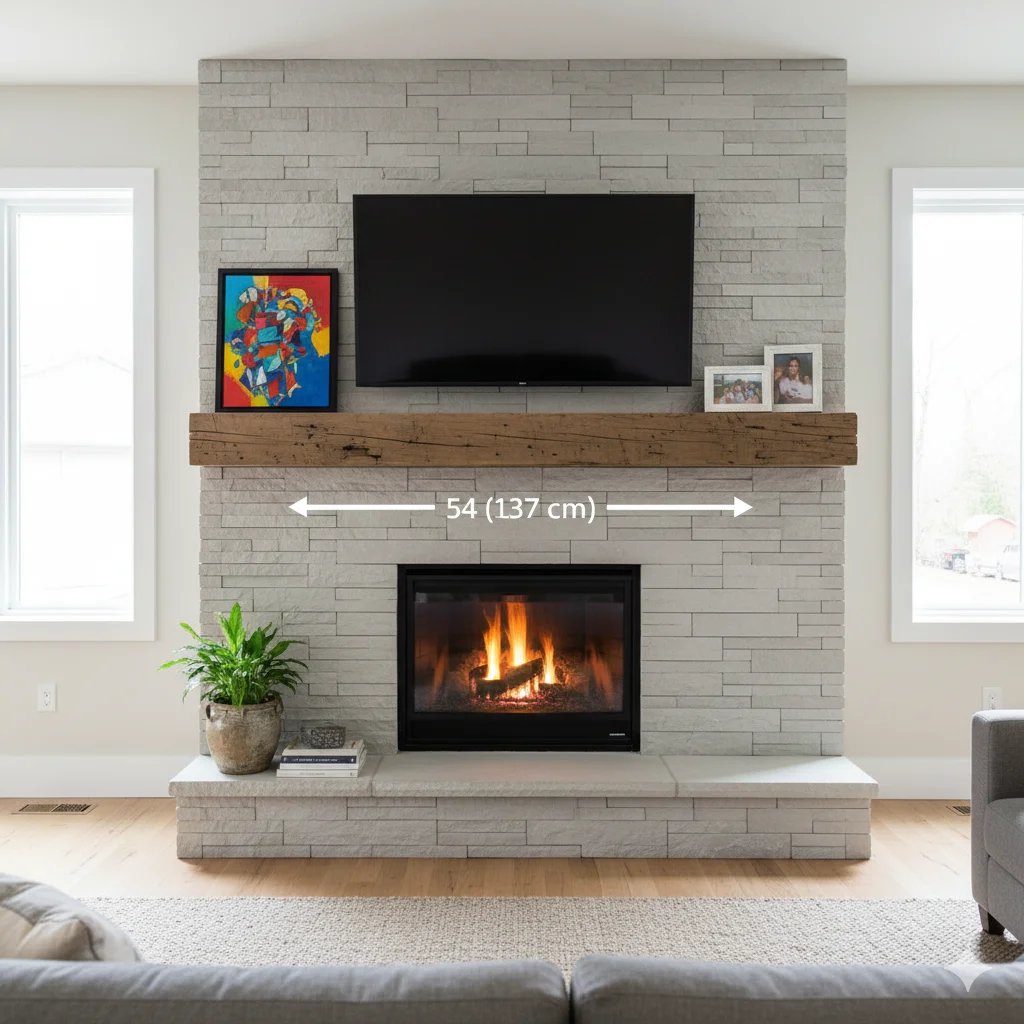
TV Placement Above Mantel
-
TV at eye level for comfort
-
Mantel may be slightly lower to accommodate screen and heat
-
Ensure safety clearance from fireplace
Common Mistakes to Avoid
-
Placing mantel too close to firebox
-
Ignoring depth
-
Copying other homes without measuring
-
Focusing only on appearance
Once you decide the correct mantel height for your fireplace, the next important step is proper installation. If you plan to attach a wood mantel to a brick fireplace, using the right mounting method ensures safety, stability, and long-term durability.
Fireplace Type Considerations
-
Wood-burning: needs most clearance
-
Gas: spacing can vary slightly
-
Electric: less heat, but maintain balance
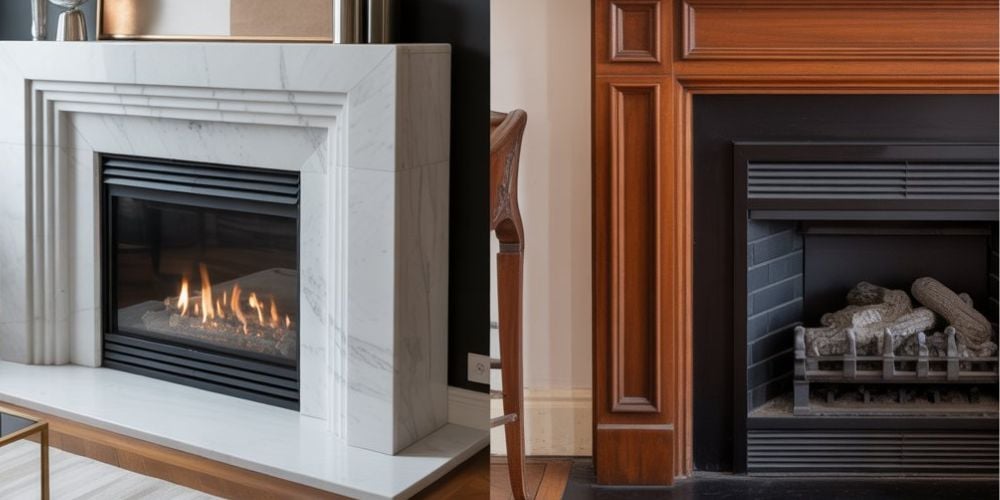
Modern vs Traditional Mantels
-
Traditional: larger, more clearance
-
Modern: sleeker, may sit lower
-
Floating: follow mounting instructions carefully
Frequently Asked Questions (FAQs)
How high should a mantel be?
10–12 inches above opening, depending on depth and size.
Can a mantel be too high?
Yes, it may look awkward and disrupt room balance.
Does height affect safety?
Absolutely. Proper height prevents heat damage.
Building codes for mantel height?
General guidelines recommend at least 10–12 inches clearance for combustible materials.
TV above the mantel?
Measure eye level and heat clearance; adjust mantel accordingly.
Key Takeaways
-
Standard mantel height: 10–12 inches above fireplace
-
Adjust for depth, ceiling height, and fireplace type
-
Maintain safety clearance
-
Consider room balance, design, and TV placement
Conclusion
A fireplace mantel is more than decoration—it combines safety, style, and balance. By following these guidelines, you can protect your fireplace, enhance your room, and enjoy a safe, visually appealing centerpiece. Proper measurement, material choice, and placement ensure your mantel remains functional and beautiful for years to come.
For more inspiration and educational resources on fireplace mantels and custom wood designs, you can explore Kustom Beams.